Did you know more than half of lung cancer patients use radiation therapy? It’s a key part of managing symptoms for those with advanced stages of the disease. People dealing with advanced lung cancer face big challenges. Reducing pain, discomfort, and breathing problems is crucial for a better life. This article shows how radiation helps ease symptoms in advanced lung cancer. It’s an important part of a wider cancer care strategy. Let’s learn what radiation therapy is and how it helps manage advanced lung cancer’s complex issues.
Key Takeaways
- Radiation therapy is essential for managing symptoms in advanced lung cancer.
- Over 60% of patients utilize radiation therapy as a treatment option.
- This therapy can significantly improve the quality of life for those unable to undergo surgery.
- Different types of radiation therapy cater to specific needs and patient conditions.
- Regular follow-up care is crucial for monitoring effects post-treatment.
- Understanding side effects helps patients manage expectations during treatment.
Understanding Advanced Lung Cancer
Advanced lung cancer is a major challenge, especially with non-small cell lung cancer (NSCLC) being the most common. It shows a big leap from earlier stages, changing the treatment choices a lot. We need deep knowledge to manage advanced lung cancer well.
Lung cancer is called advanced when it spreads far from its starting point. It might reach nearby lymph nodes or far-off organs. As the cancer grows, problems like constant coughing, chest pain, breathing trouble, and losing weight without trying get worse. Spotting these signs early is key to treating advanced non-small cell lung cancer.
Handling advanced lung cancer well means using a mix of treatments. Radiation therapy is crucial for hitting tumors and easing pain. Doctors also combine it with chemotherapy and targeted therapies to get the best results in later stages.
Also, knowing how the cancer progresses helps doctors give care that makes life better. An adaptable plan is vital for handling every part of advanced lung cancer. With ongoing research, new treatment methods will likely improve patients’ lives and ease symptoms.
What is Radiation Therapy?
Radiation therapy is key in fighting many types of cancer, including lung cancer. It uses high-energy rays or particles to kill cancer cells. It also helps reduce tumor size, ease pain, and make patients more comfortable. In treating late-stage lung cancer, it mainly aims to better the patient’s life.
There are different radiation therapies used in cancer care. Each type is chosen based on what the patient needs. This means there is a range of ways to tackle lung cancer.
External radiation therapy is often chosen for treatment. It’s done as outpatient care over several weeks. This method focuses on the tumor while sparing the healthy tissue around it.
Internal radiation, or brachytherapy, places radioactive material close to or inside the tumor. It affects a small area and might have fewer side effects. The choice of treatment looks at the cancer’s type, size, and place. It also considers the patient’s health and history.
Techniques like IMRT and SBRT have changed how we plan treatment. IMRT is very precise in targeting tumors, and SBRT needs fewer sessions. Both options are safer and more effective. Choosing the best radiation therapy depends on what the patient specifically needs. This helps achieve the best results in lung cancer care.
Using Radiation to Relieve Symptoms in Advanced Lung Cancer
Radiation helps patients with advanced lung cancer feel better. It aims to make life better by reducing pain, and coughing. This is very important as the cancer grows.
Doctors use different plans to give radiation, like 17 Gy in two sessions. This way has shown to help in studies. On average, patients live six to seven months after starting treatment.
Treatment methods can have different results. One study looked at giving 20 Gy in five sessions versus 10 Gy in one. They found people lived longer with 20 Gy. Another study showed patients lived about 23 to 28 weeks with different plans. This tells us it’s important to plan treatment to fit each person.
Radiation not only eases pain but also helps improve life without adding chemotherapy. Sometimes, just radiation is enough to help patients feel better. This approach helps patients focus on improving life quality.
| Treatment Method | Dose | Fractionation | Median Survival |
|---|---|---|---|
| Standard Protocol | 17 Gy | 2 fractions (1 week apart) | ~6.2 – 7.0 months |
| 20 Gy vs. 10 Gy | 20 Gy | 5 fractions | 6 months |
| 10 Gy | 10 Gy | 1 fraction | 4.2 months |
| 30 Gy vs. 10 Gy | 30 Gy | 10 fractions | 23 weeks |
| 10 Gy | 10 Gy | 1 fraction | 28 weeks |
When is Radiation Therapy Used for Lung Cancer?
Radiation therapy plays a key role in treating advanced lung cancer. It gives hope to many. It is often chosen when surgery isn’t an option. For big tumors, tricky locations, or if surgery is too risky, radiation is a key choice.
Radiation can be used after surgery to hit remaining cancer cells. This helps lower the chance of the cancer coming back. Doctors might also use radiation before surgery. It can make tumors smaller and surgery safer.
For those with cancer that has spread, radiation helps ease symptoms. It can help with pain, swallowing issues, or bleeding. The goal is to make life better. Doctors tailor radiation plans to fit each patient’s specific needs and health.
Many cancer patients—over half—get radiation therapy at some stage. The most common type is external beam radiation therapy. It is usually done five days a week, taking 10 to 30 minutes each session. This method targets cancer while sparing healthy tissues.
Each treatment plan is customized for the patient. The lung cancer stage, patient health, and support available matter a lot in planning. To learn more about radiation in lung cancer treatment, click here.
Types of Radiation Therapy for Lung Cancer
Knowing the different radiation therapies for lung cancer helps patients and their families. Each type has unique benefits for specific situations. It ensures treatment is tailored to the person’s needs and the tumor’s traits.
External Beam Radiation Therapy
External beam radiation therapy (EBRT) is a common lung cancer treatment. It uses high-energy beams to target the tumor from outside the body. Recent progress, like Stereotactic Body Radiation Therapy (SBRT), has made EBRT safer and more effective.
This method allows for strong radiation doses in fewer sessions. It aims to protect healthy tissue while attacking cancer cells. This balance is crucial for better patient results.
Brachytherapy (Internal Radiation Therapy)
Brachytherapy puts radioactive materials close to or inside the tumor. This technique spares nearby healthy tissues, which is great for certain lung tumors. It delivers intense radiation directly to the lung tumor, improving the treatment’s success.
Placing the radiation accurately helps better control the cancer locally. It’s often chosen for specific cases due to its precision.
Proton Therapy
Proton therapy uses protons instead of traditional X-rays to send radiation. This method provides greater control over where radiation goes, reducing harm to vital organs nearby. It’s especially useful for complex lung tumors or when sparing surrounding tissue is a concern.
Its ability to target just the cancer cells makes it a good choice for some lung cancer patients. This selectiveness is a key advantage of proton therapy.
| Type of Radiation Therapy | Mechanism | Advantages | Ideal For |
|---|---|---|---|
| External Beam Radiation Therapy | Delivers radiation from outside the body | Commonly used, effective for various lung cancers | Most lung cancer patients |
| Brachytherapy | Radioactive material placed near or in the tumor | Minimizes damage to healthy tissues | Central airway tumors |
| Proton Therapy | Uses protons to target tumors | Superior control over radiation depth | Complex or sensitive tumors |
Learning about these types of radiation therapy allows lung cancer patients to make informed decisions. New technologies are constantly improving radiation therapy. It plays a key role in lung cancer care.
Palliative Radiotherapy: Focus on Symptom Relief
Palliative radiotherapy is key in managing lung cancer symptoms in advanced stages. It focuses on easing symptoms, not curing cancer. Healthcare teams design radiation treatments to reduce pain, breathing difficulties, and other serious symptoms.
It’s highly effective for bone metastases, which up to 70% of advanced cancer patients have. About 60% experience pain relief in 2-3 weeks. Also, close to 28% of lung cancer patients show advanced disease, highlighting the need for tailored symptom relief.
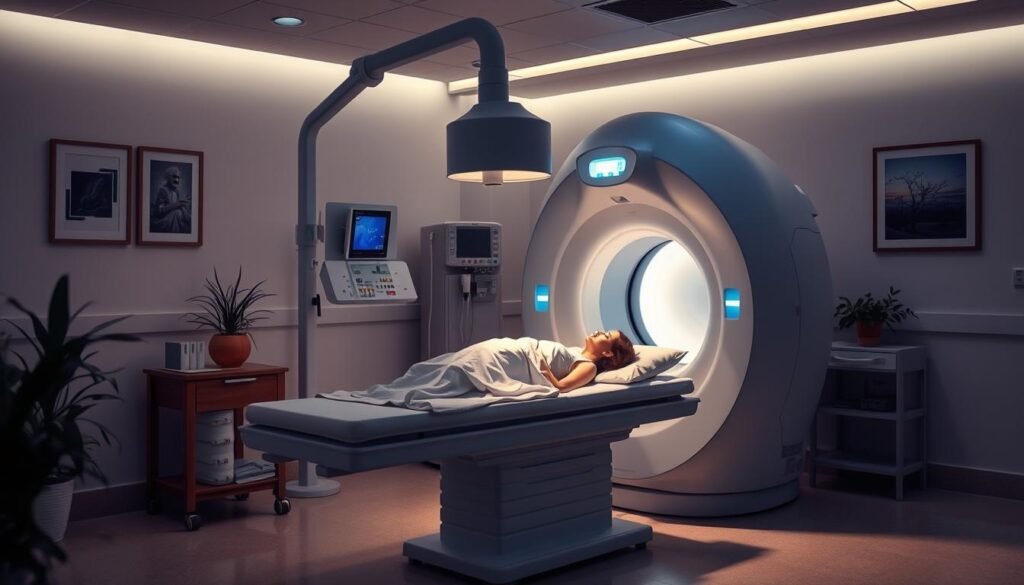
Different techniques are used in palliative radiotherapy, like external beam radiation therapy. Some methods, offering higher doses, improve symptom relief and could extend life for those in good health. Short treatments, such as 20 Gy in 5 fractions or single doses, work well with less side effects. These options suit those looking for simpler treatments.
Working together as a team is vital in palliative radiotherapy. Treatment plans should include input from various health experts. This teamwork ensures that care focuses on the patient’s total well-being. For more info on this topic, check out these studies.
Benefits of Radiation Therapy for Lung Cancer Symptom Management
Radiation therapy helps people with lung cancer in many ways. It’s great at reducing pain by targeting the tumors. This can make the tumors smaller or stop them from spreading. Patients feel more comfortable as a result.
It also makes breathing easier by opening up blocked airways. This is crucial for patients with tumors in their airways.
For those with advanced lung cancer, external beam radiation is often the main treatment. It’s really good at controlling symptoms for patients who can’t have surgery. This treatment involves short sessions, usually five days a week. It helps make the patients’ lives better during tough times.
Studies show that radiation therapy can significantly ease symptoms. Many patients say they feel less pain and function better. Some people might experience side effects like tiredness and skin reactions. However, these usually get better within a few months. If there are any long-term side effects, doctors can help manage them with medicine and other treatments.
- Effective in treating pain and discomfort
- Improves airflow and breathing difficulties
- Short treatment durations
- Can target tumors causing bleeding or airway blockages
- Enhances quality of life for patients
Radiation therapy is very important for managing lung cancer symptoms. It gives precise treatment that specifically addresses the issues caused by the disease. Patients enjoy both physical relief and a higher quality of care.
Possible Side Effects of Radiation Therapy
Radiation therapy helps fight advanced lung cancer. But it can have side effects. Knowing these helps patients and families get ready for the treatment’s impacts.
Common Side Effects
During radiation therapy, patients may face common side effects. They include:
- Fatigue: This becomes more intense over time, making daily tasks hard.
- Skin reactions: Treated skin may become red, irritated, and dry, which usually gets better after therapy ends.
- Hair loss: Hair might fall out in the treated area, but it often grows back after finishing treatment.
- Changes in blood count levels: Radiation could affect blood counts, leading to breaks in treatment.
- Nausea and vomiting: These can occur, particularly with chemotherapy. Eating small meals and relaxing can help.
- Sexual issues: Those getting pelvic radiation might face problems with sexual function and fertility.
Managing Side Effects
Handling side effects well can improve life quality during treatment. Here are some helpful methods:
- Communication with healthcare providers: Inform your care team about symptoms to get the right help quickly.
- Medications: Drugs might lessen symptoms like nausea or skin issues.
- Lifestyle adjustments: Changing daily activities and drinking plenty of water can ease fatigue among other side effects.
- Proper skin care: Using moisturizers for dry or irritated skin as recommended, and avoiding harsh products, reduces skin problems.
- Nutritional changes: Eating small, regular meals and focusing on fluid intake can help with side effects like diarrhea.
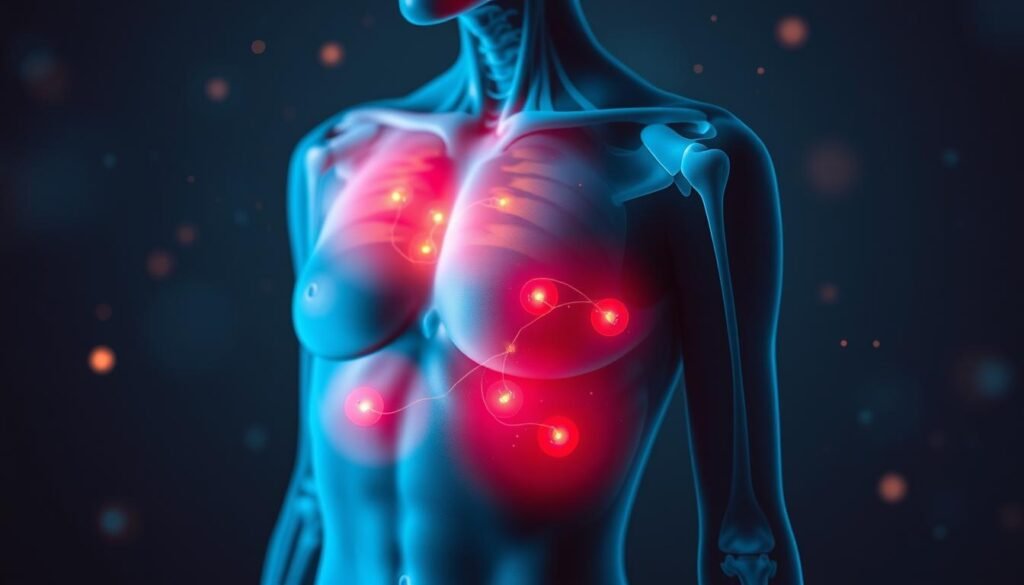
Understanding side effects empowers patients during radiation therapy. It helps them feel ready and supported through this tough time.
| Common Side Effects | Management Strategies |
|---|---|
| Fatigue | Regular rest periods, staying hydrated |
| Skin problems | Moisturizing creams, gentle cleaning |
| Hair loss | Gentle hair care, head coverings |
| Nausea | Small, frequent meals, medications |
| Sexual challenges | Open discussion with care team for alternatives |
Radiation Oncology for End-Stage Lung Cancer
In the world of end-stage lung cancer, radiation oncology is very important. It aims to make patients feel better and live better, despite their advanced disease. When patients have uncomfortable symptoms, palliative radiotherapy is suggested. This care plan is made if the treatment fits within a safe area.
Palliative radiotherapy makes a big difference for those with advanced lung cancer. It’s for people who can’t undergo major treatments or have spreading disease. By focusing radiation on certain areas, it helps ease breathing problems and other issues like bone or brain problems. This improves patient’s lives significantly.
The treatment for this kind of radiotherapy can last from one to ten sessions over a couple of weeks. Studies show that longer treatment times might improve survival for some lung cancer patients. Sometimes, patients might receive treatment again, depending on several factors.
About 85% of all lung cancer is non-small cell lung cancer, with smoking as a big cause. Easing the pain and discomfort of patients is a main goal in radiation oncology. Healthcare professionals work hard to provide the best care in these tough times. They aim to give patients a more comfortable and respectful life as they face end-stage lung cancer.
Targeted Radiation for Lung Tumors
The way we treat lung tumors has changed a lot. Now, we focus on targeted radiation for lung tumors. This method tries to be effective yet gentle on healthy tissues. Stereotactic Body Radiation Therapy (SBRT) is a great example of innovative radiation techniques. It delivers high doses of radiation right where it’s needed, in just a few sessions. This works great for treating small lung cancers.
People getting treatment now have plans made just for them, using the latest technologies. Like radiofrequency ablation, which goes after tumors directly. It kills cancer cells without needing big surgeries. This custom approach makes treatments work better and helps patients recover more smoothly.
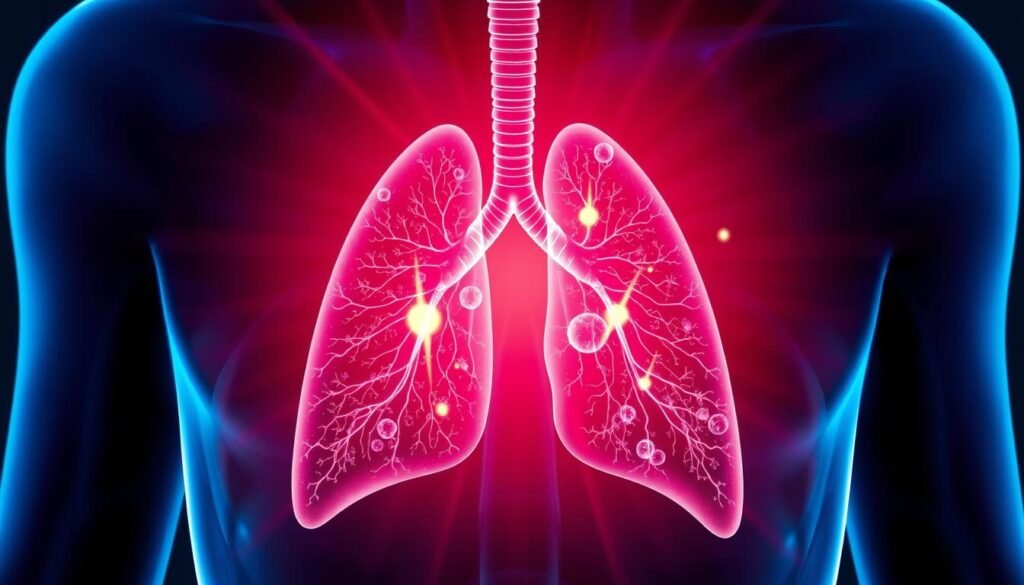
As we learn more, we might start combining targeted treatments with innovative radiation techniques. This could change how we handle lung cancer. By looking at the genes in tumors, we could find better ways to aim radiation. This would make the treatment even more precise. It gives hope for controlling lung cancer symptoms better.
| Technique | Description | Benefits |
|---|---|---|
| Stereotactic Body Radiation Therapy (SBRT) | Delivers focused radiation in fewer high-dose sessions. | Minimizes treatment time and maximizes tumor targeting. |
| Radiofrequency Ablation | Uses heat generated by radio waves to destroy cancer cells. | Non-invasive, with reduced recovery time. |
| Intensity-Modulated Radiation Therapy (IMRT) | Modulates radiation beams to match the tumor shape precisely. | Spares surrounding tissues, lowering side effects. |
| Proton Therapy | Utilizes protons for radiation delivery, reducing exposure to healthy tissues. | Lower risk of side effects such as pneumonitis and esophagitis. |
Conclusion
Radiation therapy is key for those with advanced lung cancer, especially when it has spread. This treatment helps manage symptoms, making life better for patients. More than half of the people with non-small cell lung cancer find out late. For them, treatments like radiotherapy are vital.
Researchers are always looking for better ways to treat lung cancer. They’re now testing treatments that combine radiotherapy with immunotherapy. This mix could improve survival and help manage symptoms better. Lung cancer is a top cause of cancer deaths, so personalized care is very important.
Talking with doctors about treatment options is something patients should do. The goal is to find the best way to manage each person’s cancer. The focus is on making life better by easing symptoms. This approach makes dealing with advanced lung cancer easier.