Itchy skin can actually be a clue that lung cancer has spread, especially if it reaches the liver. This can cause bile salts to build up, making you feel itchy. Lung cancer might not show signs early on. But, symptoms like skin itching or rashes could appear in unexpected ways. Knowing the link between itchy skin and lung cancer is important. It helps in spotting the disease early and managing it better.
Key Takeaways
- Itchy skin may signal metastasis of lung cancer, particularly to the liver.
- Metastatic lung cancer can cause skin symptoms, including firm lumps or nodules.
- Cushing’s syndrome and Horner syndrome are paraneoplastic syndromes linked to specific lung cancers.
- Chemotherapy and immunotherapy can result in various skin-related side effects.
- Awareness of skin changes is crucial for early detection of lung cancer.
- Understanding lung cancer symptoms helps facilitate timely medical intervention.
Understanding the Connection Between Lung Cancer and Itchy Skin
The lung cancer itchy skin connection is complex and needs careful thought. Itchy skin can happen in lung cancer patients for many reasons. One major cause is how cancer spreads and affects the body. This can lead to skin issues like skin rash lung cancer. As cancer gets worse, our bodies react, causing visible skin symptoms.
Studies show that between 10% to 50% of people with itchy skin might have an underlying disease. A big study with nearly 17,000 people found a link between itchiness and cancer. Those with general itchiness were almost six times more likely to have cancer. Itching is common in certain types of cancer. For example, 30% with Hodgkin lymphoma and more than 50% with myeloproliferative neoplasms experience significant itching. This stresses the importance of recognizing itching as a sign of possible health issues.
Paraneoplastic syndromes are another aspect of the lung cancer itchy skin connection. They occur in about 20% of cancer patients and can cause symptoms like itching. Cytokines, Substance P, and Prostaglandins released by tumors add to the complexity. While skin and blood cancers are more commonly linked to itching, lung cancer’s role can’t be ignored when skin rashes or itchiness persist.
It’s key to know that itchy skin doesn’t always mean cancer. But, it’s a more concerning sign when it comes with other cancer symptoms. This highlights why monitoring skin health is vital for lung cancer patients.
Common Skin Symptoms Associated with Lung Cancer
Lung cancer can show different skin symptoms as it grows. Itchy skin, or malignancy pruritus, often signals deeper issues tied to lung cancer, especially when it spreads. Recognizing these skin signs is key for early detection and treatment.
Itchy Skin as a Symptom of Metastasis
Itchy skin is common when lung cancer reaches other organs, like the liver. Bile salts in the blood can cause major itching. People might also see their skin get dry with these symptoms.
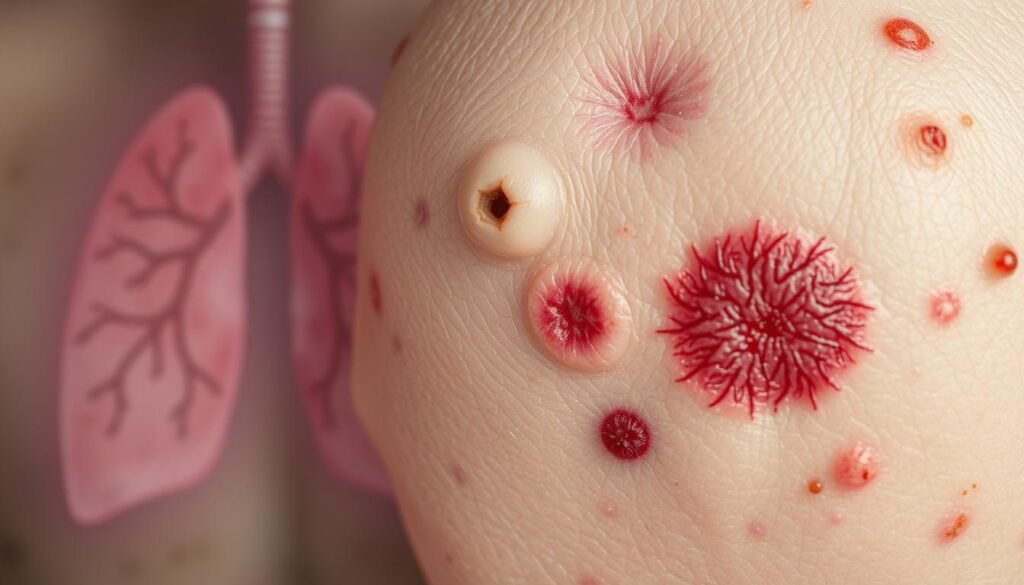
Skin lesions, appearing as small, red or purple bumps, can show up around 5.7 months following a lung cancer diagnosis. These bumps are often found on the chest, back, and scalp.
Other Skin Manifestations of Lung Cancer
Lung cancer can lead to other skin issues like jaundice, where the skin and eyes turn yellow. This typically happens when the cancer affects the liver, blocking bile ducts.
Conditions like dermatomyositis and Sweet syndrome can also arise with lung cancer. They may appear before or after finding out you have cancer. Targeted treatments and immunotherapy can cause itchy, dry skin, leading to rash issues.
Can Lung Cancer Cause Itchy Skin
Itchy skin can lead to concerns, especially if linked to lung cancer. People want to understand how these two are connected. It’s important to look at why lung cancer might make the skin itch. This itching can be a sign of the cancer’s progress. It can also point to other health problems that come with cancer.
Exploring the Mechanisms Behind Itching
The link between lung cancer and itchy skin is not simple. One key factor is how the liver works. If lung cancer impacts the liver, bile salts can build up in your blood, causing itching. This shows how problems in one organ can affect another, making us ask: can lung cancer cause itchy skin?
There are several reasons patients feel itchy. Hormones that go up and down can cause hot flashes and make you sweat, leading to itchiness. Metabolic waste from lung cancer can also irritate the skin. This shows that the way our bodies work together affects our skin health.
Potential Causes of Itchy Skin Related to Lung Cancer
There are many reasons lung cancer might make your skin itch. Paraneoplastic syndromes are a main cause. These happen when cancer treatments or the tumors themselves cause the immune system to act up, leading to itchy skin. People with late-stage lung cancer often notice their skin reacting in different ways, including becoming itchy.
- Generalized itching correlating with liver involvement.
- Skin reactions due to paraneoplastic syndromes affecting immune function.
- Blockage of bile ducts leading to bile salt buildup.
- Allergic reactions to cancer therapies, facilitating skin irritations.
- Underlying health conditions exacerbating skin discomfort.
In conclusion, understanding the different reasons behind itchiness is crucial for those with lung cancer. There are many factors that can cause itchy skin. That’s why being alert and talking to doctors about any skin changes is vital. Doing so ensures that patients get the right care for their specific situation.
| Potential Causes | Itchiness Mechanism | Associated Conditions |
|---|---|---|
| Liver Involvement | Bile salt buildup | Jaundice |
| Paraneoplastic Syndromes | Immune response | Skin rashes |
| Allergic Reactions | Medication side effects | Skin irritation |
| Hormonal Fluctuations | Hot flashes and sweats | General discomfort |
Paraneoplastic Syndromes and Their Impact on Skin Health
Paraneoplastic syndromes are disorders caused by cancer, especially lung cancer affecting the skin. They bring about skin problems that could hint at hidden cancers. For example, Acanthosis nigricans maligna often points to stomach cancer, showing up before or at the same time as the cancer.
About 58% of patients with acanthosis nigricans find out they have it before finding the tumor. This condition suggests a serious outlook, with an average survival time of just two years after finding it. Thus, it’s crucial to pay close attention to skin changes for lung cancer patients.
Dermatoses connected to paraneoplastic syndromes are mostly seen with hormone issues. They help find cancer earlier, allowing for quick action. Acrokeratosis paraneoplastica, for example, is usually related to cancers in the head and neck. It can appear up to a year before the cancer is officially found.
Skin symptoms like $dermatomyositis and paraneoplastic pemphigus can also signal cancer, mainly in those 50-70 years old and in women. These conditions show how skin health and deeper cancers are linked. They stress the importance of regular checks in the face of the complexity of paraneoplastic syndromes.
Signs of Skin Changes During Lung Cancer Treatment
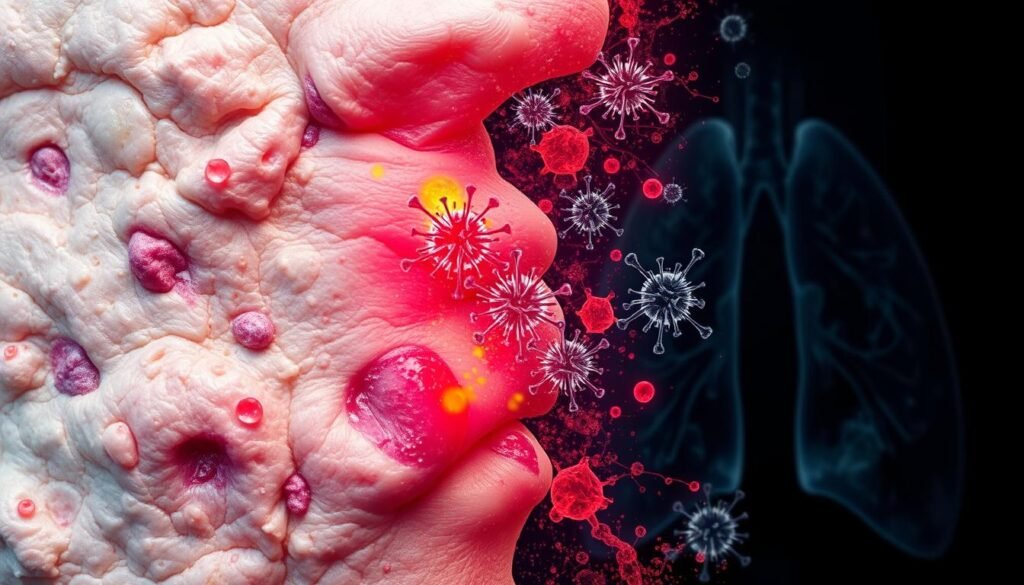
Skin changes often occur during lung cancer treatment. These changes, driven by therapies like chemotherapy and immunotherapy, can greatly impact a patient’s life. It is crucial to be aware and manage these effects for better comfort and health.
Effects of Chemotherapy and Radiation on Skin
Chemotherapy can cause skin to become dry, red, and peel, known as chemotherapy skin changes. Patients might also become more sensitive to sunlight. Radiation therapy often leads to radiation dermatitis, making skin red, dry, and itchy. Most people getting radiation will see some degree of these effects.
Managing skin care during this time is vital to lessen these lung cancer treatment skin effects.
Immunotherapy and Its Skin-Related Side Effects
Immunotherapy brings its own skin issues. It can cause severe rashes, dryness, and even blistering with treatments like Keytruda. Watch out for rash outbreaks and hand-foot syndrome, which can cause discomfort. It’s important to talk with doctors about care strategies. This can include creams and other ways to handle skin changes.
Other Uncommon Symptoms of Lung Cancer
We often hear about coughing and breathing issues when it comes to lung cancer. But there are other signs we shouldn’t ignore. Jaundice, a yellowing of the skin and eyes, is one of them. It could mean the liver is affected, pointing to cancer spreading. Skin rashes are also key signs that shouldn’t be overlooked. They tell us more about our health and the need for quick action.
Recognizing Jaunce and Other Skin-Rash Indicators
Jaundice is an important symptom of lung cancer that shouldn’t be missed. It shows up when the liver can’t work right, often because the cancer has spread. This leads to too much bilirubin in the blood, turning the skin and eyes yellow.
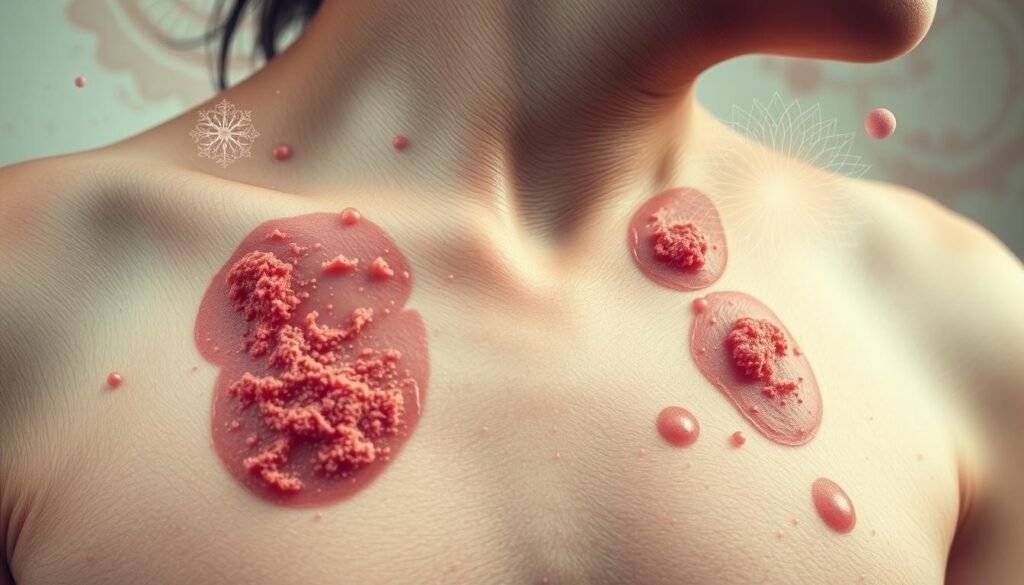
Skin rashes are also significant. They can look different from person to person and hint at deeper issues. This might be due to hormonal changes or the body’s fight against cancer. These rashes could be red, flaky patches, small bumps, or areas of unusual color or bruising.
- Red, flaky patches
- Small, round lumps
- Unusual color changes or bruising
Knowing about these symptoms and how they relate to lung cancer is key. It can help catch the disease early and manage it better. Below we’ve put together a table with some not-so-common symptoms and what they could mean:
| Symptom | Description | Possible Implications |
|---|---|---|
| Jaundice | Yellowing of skin and eyes | May indicate liver metastasis |
| Skin Rashes | Various rash types and appearances | Potential immune response or hormonal changes |
| Clubbing of Fingers | Thickening and widening of fingertips | Often associated with lung cancer, present in 80% of cases |
| High Calcium Levels | Can lead to digestive issues | May cause nausea or belly aches in 10-20% of cases |
How Lung Cancer Is Diagnosed
Doctors start diagnosing lung cancer with a check-up and by knowing the patient’s history. They look for symptoms and risk factors of the disease. Next, imaging tests like CT scans and MRIs are key. They spot unusual growths or spread of the disease by showing detailed pictures of lungs and tissues around them.
A biopsy is the next step if these scans suggest lung cancer might be present. In this process, a tiny piece of lung tissue is collected and examined. This confirms whether it’s lung cancer, identifies its type, and is vital for deciding the right treatment.
Sometimes, lung cancer diagnosis gets complicated by paraneoplastic syndromes. These conditions cause skin changes and other symptoms that can confuse the diagnosis. For example, problems like itching or skin getting darker because of small cell lung cancer (SCLC) might lead doctors off track if skin issues are the main complaint.
Getting the right diagnosis for lung cancer quickly is crucial for treatment success. Being aware of symptoms, such as unexplained skin issues, encourages people to seek help early. Also, knowing about why itching happens helps in understanding when to talk to a doctor.
| Diagnostic Method | Description |
|---|---|
| CT Scan | Provides detailed images to identify tumors and their size. |
| MRI | Offers insights into the cancer’s impact on surrounding structures. |
| Biopsy | Extracts tissue for analysis to confirm cancer type and staging. |
| X-rays | Can reveal the presence of larger tumors and lung abnormalities. |
| Blood Tests | May indicate overall health and detect markers related to lung cancer. |
What to Do If You Notice Skin Changes
Noticing changes in your skin like constant itching or rashes calls for quick action. These signs can hint at different health issues, including skin-related symptoms of lung cancer. It’s key to see a healthcare expert to find out what’s causing them and get the right treatment.
Consulting a Healthcare Professional
If you see changes in your skin, it’s critical to visit a doctor. They’ll check your symptoms to see if they’re tied to lung cancer or other conditions. Even small signs, like a rash or itching, could mean something more. Tell your doctor about all your symptoms to help them make an accurate diagnosis.
Importance of Early Detection and Treatment
Quickly dealing with skin changes can majorly influence your treatment success. Catching lung cancer early is crucial to improve your chances and manage symptoms well. It’s important to know how cancer treatments can affect your skin, causing issues like dryness or even hand-foot syndrome. For those facing cancer or skin problems from treatment, taking care of your skin and regular doctor visits are important for fast and effective care.
Living with Lung Cancer: Support and Resources
Living with lung cancer is hard for both patients and their families. It’s important to find support to help navigate this challenge. Many groups and online sites offer help and tips. They connect people with support for lung cancer patients and share advice. This can be crucial for dealing with daily symptoms and skin problems.
Many patients face skin issues during treatment. Up to 95 percent have skin problems from radiation, known as radiation dermatitis. Knowing about these side effects is key. It helps patients manage them and get the right care. Using lung cancer resources and talking to doctors can help cope better.
Skin reactions are common with lung cancer treatments. Patients should watch for changes and talk to their doctors. Skin dryness from chemotherapy and rashes from immunotherapy are examples. Recognizing symptoms and seeking advice early can make management easier. It also leads to a better life quality.
Conclusion
Knowing about skin signs of lung cancer is very important. It can show signs of the disease getting worse. Itchy skin is key but often missed. It might be linked to paraneoplastic syndromes. These can cause scratching without a known cause. This shows why knowing about itchy skin is important for patients and doctors.
Skin nodules, yellow skin, and finger clubbing are also signs of lung cancer. They show the cancer might be in a late stage and have a bad outlook. Lung cancer often does not show signs until it’s advanced. Spotting these skin changes early can lead to faster help from doctors. This can help manage health better.
In short, paying attention to skin signs of lung cancer can really help. It can make spotting the disease early easier, leading to better care. People should keep an eye on their health. Any change in the skin might be an important clue about lung cancer. It’s a big part of being aware of lung cancer.