Lung cancer is the top reason for cancer deaths, making up 25% of all cases. Even though we have better treatments now, the life expectancy for those with lung cancer is still a big worry. It’s vital to know the different factors that play into the lung cancer prognosis. This includes when the cancer is found, the patient’s overall health, and getting medical care.
This piece will go over the main aspects that affect how long people with lung cancer might live. We’ll look at how smoking, age when diagnosed, and healthcare access can change survival rates. We’ll also talk about how important good nutrition and getting treatment on time are. By understanding these factors, we hope to make a difference in the lives of those facing lung cancer.
For more details on survival factors, including stats and advice, check out this study on lung cancer survival.
Key Takeaways
- Lung cancer accounts for 25% of all cancer-related deaths.
- Survival chances vary significantly based on cancer stage at diagnosis.
- Smoking history greatly impacts prognosis and treatment options.
- Access to healthcare services plays a crucial role in early detection.
- Age and overall health can profoundly influence treatment results.
Understanding Lung Cancer Survival Rates
Lung cancer survival rates are crucial for patients and families during this tough time. These numbers offer insights into the likely course of the disease. About 45% of patients live for at least one year after being diagnosed. Sadly, only about 20% reach the five-year mark. These stats help in shaping treatment choices and setting realistic expectations.
General Survival Statistics
The stage of cancer at diagnosis impacts survival drastically. The SEER database gives a detailed view of survival rates. For non-small cell lung cancer, the survival percentages are:
- Localized: 65%
- Regional: 37%
- Distant: 9%
- All SEER stages combined: 28%
In comparison, small cell lung cancer has different survival rates:
- Localized: 30%
- Regional: 18%
- Distant: 3%
- All SEER stages combined: 7%
These numbers show clear differences between the two lung cancer types. Early detection and treatment significantly boost chances of surviving.
Five-Year Survival Rates by Stage
The five-year survival rates reveal the hard truth about lung cancer. In NSCLC, localized cases have a 60% survival rate. For regional cases, it drops to 33%, and distant stages have only a 6% chance. SCLC presents a 29% survival rate for localized conditions, dropping to 3% for distant stages. Early intervention and treatment are key to better survival rates.
Factors That Impact Life Expectancy with Lung Cancer
Understanding factors that affect life expectancy with lung cancer is key. Lung cancer’s stage and its histological type have a big impact. Knowing about these can help figure out a patient’s outlook and select the right treatment.
Role of Lung Cancer Staging
Lung cancer staging is crucial in predicting survival chances. It shows how far the cancer has spread. This greatly influences the patient’s prognosis. As cancer advances to stages 3 and 4, survival rates drop sharply. For example, about 15% of people diagnosed at stage 3 live for at least five years. This number falls to about 5% for stage 4.
In contrast, early-stage lung cancer (stage 1) offers more optimistic numbers. Around 65% of those diagnosed at this stage live for five years or more.
Importance of Histological Type
The type of lung cancer based on cell appearance, or histology, is another key factor. Types like adenocarcinoma and squamous cell carcinoma vary in how they respond to treatment. Adenocarcinoma typically has a better outcome than squamous cell carcinoma. The patient’s overall health and activity level also play roles in treatment success. This underlines the importance of tailored treatment plans in lung cancer care.
Understanding these factors helps create better treatment strategies. This can lead to improved chances for patients.
Impact of Smoking History on Prognosis
Smoking history greatly affects the outcome of lung cancer. Individuals with a smoking background face more difficulties than those who have never smoked. These differences help us understand treatment outcomes and survival chances better.
Differences Between Smokers and Never-Smokers
There’s a clear gap in survival rates between smokers and non-smokers. Non-smokers tend to live longer, with an 82.6% survival rate at 12 months, unlike smokers at 62.9%. Also, non-smokers have a median survival time of 41.9 months, smokers only 21.1 months. This shows how crucial smoking history is for prognosis.
Influence of Co-Morbidities Related to Smoking
Smokers often have other health issues like heart disease or chronic lung problems. These issues can make lung cancer treatment harder and lower survival rates. Recognizing the effects of smoking and its related health problems is vital. It helps doctors choose the best treatment plans.
For more details on how smoking connects to lung cancer, visit this comprehensive resource.
Age at Diagnosis and Its Importance
Knowing how age at diagnosis affects lung cancer is crucial. It guides treatment and predicts survival. Typically, younger patients catch it earlier, which can change how they’re treated.
How Age Affects Treatment Options
Young people with lung cancer often have certain tumor types, leading to more surgeries. Older folks might get more radiation. This shows how treatments change with age. For example, adenocarcinoma is more common in younger patients, and older ones see more large cell carcinoma.
Age-Related Survival Statistics
The age when diagnosed impacts how long patients might live. Younger patients, especially those under 30, often survive longer. Survival rates vary significantly across different age groups.
For those aged 15 to 39, survival rates range from 17.0% to 28.4%. But, for patients 75 and older, it’s much lower, between 5.1% and 20.9%. These numbers show why early detection is key to fighting lung cancer. For more details, check the study here.

Overall Health and Fitness of the Patient
Knowing how healthy a lung cancer patient is helps decide their treatment. Being fit can mean a better chance of surviving. Things like exercise and other health problems affect this.
The Influence of Performance Status
A patient’s daily activity level is important. Those who are more active usually live longer. Being physically fit, like having good heart health and strong muscles, can help patients survive longer.
Unfortunately, many with lung cancer don’t exercise enough. This makes it tough for them to stay healthy.
Impact of Comorbid Conditions on Treatment Tolerance
Having other health issues can make it hard for lung cancer patients to handle treatment. These problems can lead to more issues and shorten their lives. Difficulties like shortness of breath, tiredness, and losing muscle can make health worse.
The link between other illnesses and being active highlights the need for full health checks before choosing treatments.
| Stage | 24-Month Overall Survival (%) | 60-Month Overall Survival (%) |
|---|---|---|
| Stage I | 97 | 92 |
| Stage IVB | 10 | 0 |
It’s crucial to understand how overall health, activity levels, and other health problems intersect. This knowledge helps in deciding on lung cancer treatments.
Access to Healthcare Services
Access to healthcare can greatly change outcomes for lung cancer patients. Early detection through regular screenings is key. It helps find cancer at stages when it’s easier to treat. However, many people face barriers to getting the care they need. This can result in finding cancer later, which makes treatment harder. It’s crucial we understand and address these barriers to improve health outcomes for people with lung cancer.
The Role of Early Detection in Survival
Spotting lung cancer early is crucial in saving lives. Screening programs are vital as they boost the chances of early cancer detection. Research shows that getting healthcare on time can lead to better treatment results and lower death rates. Sadly, cost stops nearly 70% of Americans from getting cancer care. This means many miss out on appointments or skip treatments because of money problems.
Impact of Healthcare Disparities
Healthcare isn’t the same for everyone, especially for racial and ethnic minorities. Reports show that Hispanic, Asian, Black, and Indigenous people often get less lung cancer care than White people. This issue comes from many factors like income, where they live, and lack of medical resources. Problems like language and getting to appointments make things even harder. We need big changes to fix these unfair differences.
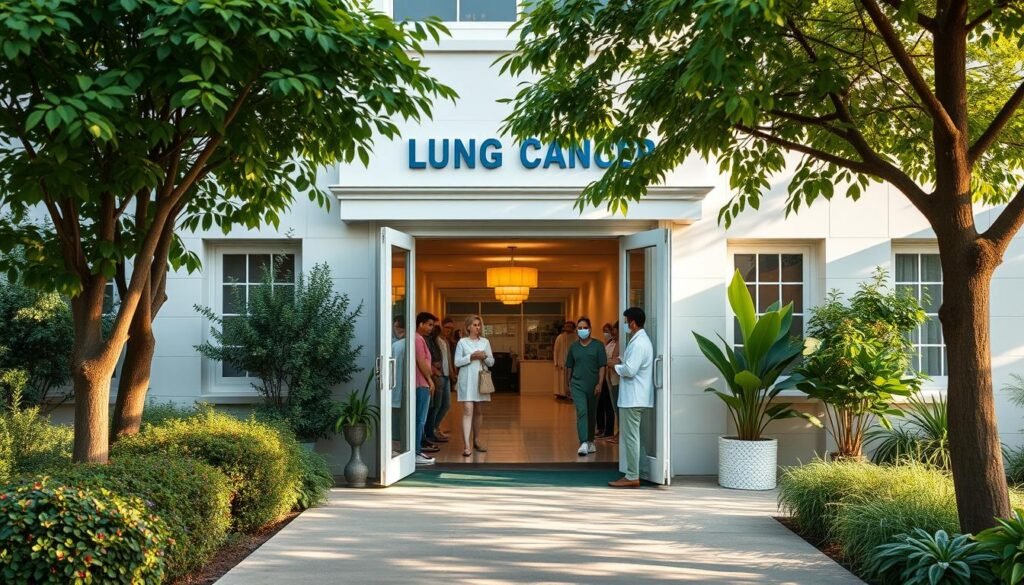
To help lung cancer patients get better healthcare, there are efforts to fix transportation and money problems. For example, the Affordable Care Act makes sure insurance covers important cancer screenings and treatments. But, money issues and bad coordination in care still delay finding and treating cancer. Support groups and local help can make a difference in solving these problems and improving patient care.
| Barrier to Access | Impact on Patients |
|---|---|
| Cost | 70% of cancer patients report cost as a barrier, leading to missed appointments and treatment delays. |
| Healthcare disparity | Racial and ethnic groups such as Hispanic and Black individuals experience less access to care. |
| Transportation | Many patients face challenges in traveling to treatment centers, necessitating assistance programs. |
| Care Coordination | Lack of communication between healthcare providers can result in delayed diagnoses and poor outcomes. |
| Language barriers | Communication difficulties may lead to misunderstandings regarding care options and treatment. |
To improve care for lung cancer patients, we must understand and tackle these barriers. This can make a big difference in their care and life quality. For more insight on how health differences affect lung cancer care, check out the full research. Explore the findings here.
The Significance of Nutritional Status
Nutritional status is key for the health of lung cancer patients. It helps keep strength up during treatment and supports well-being. Many struggle to meet their nutritional needs because of the disease and therapy side effects. It’s vital to address these needs to improve patient outcomes and ease symptoms.
Nutritional Needs During Treatment
About 34.5% to 69% of lung cancer patients might get malnourished. The link between nutritional status and life quality is strong. Proper nutrition can reduce side effects and improve physical and emotional health. In a study with 495 advanced lung cancer patients, 88.9% needed nutrition help.
Prompt nutritional help can boost recovery chances.
Weight Loss as a Prognostic Indicator
Weight loss before starting treatment often means a tougher prognosis. Losing more than 5% of body weight ups the risk of complications and death. The risk increases with a hazard ratio of 1.53 for malnourished patients. Tackling weight loss is crucial for patient care.
Nutritional assessments like the PG-SGA score help identify the need for intervention. It shows 11.1% needed no help, but 25.1% urgently needed it. Early weight loss and nutritional status management help healthcare workers fine-tune treatment plans. This improves survival rates. For more on nutrition and cancer care, check this source.
Effects of Treatment Options on Survival Rates
The way we treat lung cancer has changed a lot. Now, there are many treatments that help patients live longer. Thanks to better knowledge about lung cancer, doctors can use new treatments that focus on the cancer’s unique traits. This helps increase the chances of a good result and makes patients’ future health better.
Availability of Advanced Therapeutics
Today, lung cancer treatment includes cutting-edge options like targeted therapies and immunotherapies. These treatments are leading the fight against lung cancer types such as non-small cell and small-cell lung cancer. For advanced non-small cell lung cancer, options include chemotherapy, immunotherapy, and targeted therapy. These aim to fight cancer more effectively.
The chance of living five years after being diagnosed with non-small cell lung cancer depends a lot on the stage of the cancer. Early-stage cancers have a much better outlook than late-stage ones.
Personalization of Treatment Plans
Creating a treatment plan that fits each lung cancer patient is key to getting the best results. Things like the type of lung cancer and how much it has spread are important in choosing the right treatment. For example, people with early-stage lung cancer have a 61% chance of living five years, but this drops to 7% for late-stage cancer. Customized treatment strategies improve survival rates and patients’ life quality during and after treatment.

| Treatment Type | Applicable Stage | Five-Year Survival Rate |
|---|---|---|
| Chemotherapy | Stage 4 NSCLC | Varies, often lower |
| Targeted Therapy | Stage 4 NSCLC | Improved outcomes |
| Immunotherapy | Stage 4 NSCLC | Improved outcomes |
| Palliative Care | Late-stage cancer | Enhances quality of life |
In today’s world, combining advanced treatments with personalized plans is key for lung cancer patients. This approach requires doctors to work together. They need to make sure each patient gets care that fits their specific needs and health situation.
Early Detection and Its Role in Prognosis
Finding lung cancer early is key to better outcomes for patients. Doctors stress the importance of spotting the disease early when treatments work best. The American Cancer Society suggests high-risk people get regular screenings. This helps find lung cancer early, improving chances of survival.
Screening Guidelines and Recommendations
It’s crucial to follow screening rules for early cancer detection. People 50 to 80 who smoked a lot should get yearly scans called LDCT. This method greatly reduces deaths from lung cancer.
Screening is more than just finding cancer early. Stopping smoking is the top way to cut lung cancer risks. Even though LDCT scans can spot cancer sooner, smoking can still harm health. Linking quitting smoking with screening helps people stay healthier.
Let’s look at the main points for current screening advice:
| Criteria for Screening | Recommendations |
|---|---|
| Age | 50 to 80 years |
| Smoking History | At least 20 pack-years |
| Frequency of Screening | Yearly LDCT scans |
| Health Status | Must be in good health for potential treatment |
| Insurance Coverage | Covered by Medicare and many private plans |
Following these screening rules helps catch lung cancer early, making a big difference for patients. Regular checks lead to quick action and better results in combating this serious disease.
Conclusion
Life expectancy for lung cancer patients is complex due to many factors. The type and stage of lung cancer at diagnosis are crucial. They influence survival rates and guide treatment plans.
Smoking history greatly impacts prognosis, with noticeable differences between smokers and non-smokers. The patient’s overall health and healthcare access also play big roles. A well-rounded approach considering various factors can improve treatment success and life expectancy.
As lung cancer treatment advances, education and awareness are key. Research and early detection efforts can improve survival rates. This is vital for reducing lung cancer’s impact, a major cancer killer in the U.S. Keeping these facts in mind is essential for better healthcare outcomes for lung cancer patients.