Lung cancer ranks third in causing bone metastases, affecting 30-40% of people with advanced stage IV lung cancer. This condition, known as metastasis, means cancer cells move from the lungs to bones. They often reach the spine, ribs, and pelvic bones. Unlike primary bone cancer, lung cancer that has spread is more challenging and needs urgent care.
It’s crucial to understand how bone metastasis impacts treatment and life quality. Pain often signals this issue, underlining the importance of managing it well. There are treatments aimed at prolonging life, even when cure isn’t possible. To learn more, read about lung cancer with bone involvement and the difference comprehensive care can make.
Key Takeaways
- Lung cancer affects 30-40% of patients with stage IV cancer through bone metastases.
- Common sites include the spine, ribs, pelvis, and long bones like the femur and humerus.
- Pain is a primary symptom, with 80% of patients reporting pain as their first complaint.
- Effective treatment options focus on managing symptoms and improving quality of life.
- Patients are encouraged to collaborate with their healthcare team for personalized approaches.
Understanding Lung Cancer and Metastasis
Lung cancer starts when abnormal cells grow out of control in the lung tissues. It can greatly affect your health and may spread to other parts of the body. This spread, known as metastasis, often reaches the bones. When lung cancer cells leave the main tumor, they travel through blood or lymph to new sites, mainly bones. Around 70% of people with lung cancer that spreads to bones suffer from osteolytic lesions. These lesions are areas where bone is being destroyed by cells called osteoclasts.
Stage IV lung cancer is an advanced form of the disease. It grows more rapidly than earlier stages. Symptoms include bone pain, which gets worse at night and when moving. Patients may also face broken bones, spine problems, and too much calcium in the blood. Because cancer spreads more easily to the bones, it’s crucial to have treatment that focuses on relieving symptoms and improving life quality.
Many factors can cause bone metastases. Genetic traits and the way lung tumor cells interact with bone cells play a role. The exchange of certain chemicals between cancer and bone cells also helps tumors grow in bones. Catching and managing these bone changes early is critical. Doctors use X-rays and MRIs to find these changes. They work hard to combine treatments for both the lung cancer and bone issues. For more details on how this works, you can read more here.
The Process of Bone Metastasis
Bone metastases arise when cancer cells from the lungs move to bone tissues. The spread of cancer greatly impacts life quality and complicates treatments. Knowing about bone metastasis is key to manage it effectively.
Lung cancer reaching the bones is known as secondary bone cancer. It mainly appears as osteolytic or osteoblastic lesions. The first breaks down bone, while the second forms abnormal bone. These actions can weaken bones and cause pain.
Several factors help lung cancer spread to bones. Genetic factors and the tumor’s interaction with bone areas are important. Knowing these factors helps improve treatments. About 40% of lung cancer patients encounter bone metastasis, making bones a frequent target.
To spot bone metastases, doctors use X-rays and MRIs. These tools show how far the cancer has spread. Early detection, vital for better survival rates, benefits from these imaging techniques.
In sum, learning about bone metastasis in lung cancer helps us understand what patients go through. It urges the need for more research. We aim to enhance patient care and create better treatments for those battling this challenge.
Common Sites of Bone Metastases
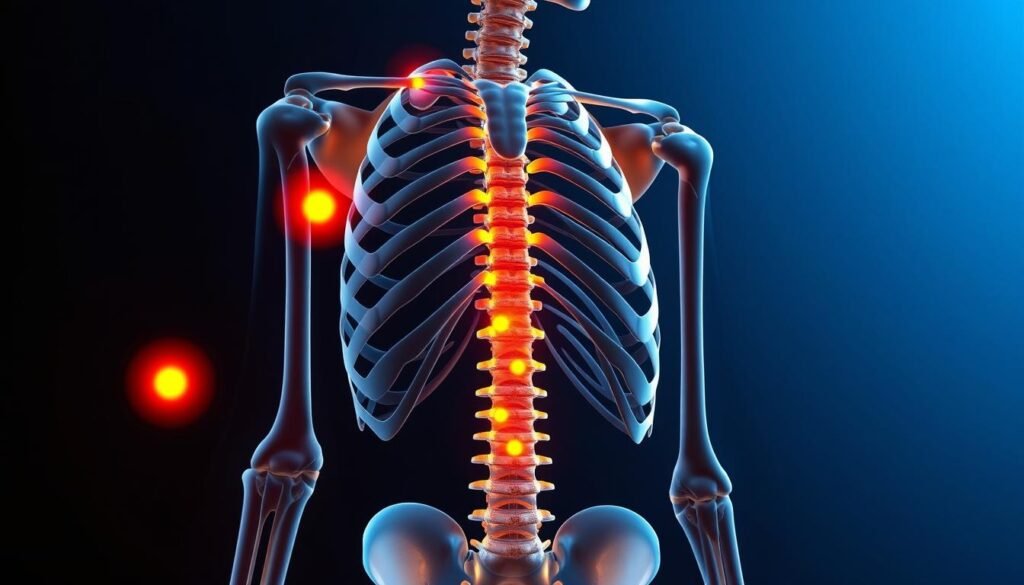
Bone metastases from lung cancer often target specific areas in the skeleton. Knowing these bone metastases locations helps give the right care. It’s crucial for better management. The lung cancer impact on bones is usually seen in these common sites:
- Spine – This is a key area for metastasis because of its importance in the skeleton.
- Ribs – They are especially prone and often the first place non-small cell lung cancer (NSCLC) spreads.
- Pelvis – The ilium and sacrum are frequently affected, which can cause various symptoms.
- Femur – When metastases happen here, it can hinder walking and lower life quality.
- Scapula and Humerus – Metastasis to these upper body bones might affect how the arm works.
- Hands and Feet – Less commonly, these extremities’ bones may be impacted by metastases.
Monitoring these sites for symptoms and issues is vital. It can greatly change a patient’s health and comfort. Knowing the lung cancer impact on these areas helps with quick and customized care plans.
Lung Cancer That Has Spread to the Bones: Symptoms and Complications
Lung cancer spreading to bones brings many tough symptoms. These issues deeply impact a patient’s daily life. Spotting these symptoms early is crucial for getting the right help and care.
Recognizing Pain as a Symptom
Pain is a common problem for these patients. Nearly 80% of them feel a deep ache that can get really bad. This pain is worse with action or at night. Catching this pain early is key. It means doctors can start treatments sooner.
Identifying Pathological Fractures
Pathological fractures are a serious issue with lung cancer in the bones. The bones get weak and may break easily, sometimes with little cause. Spotting breaks early is very important. It means getting help quickly. This can avoid more bone problems.
Diagnosing Bone Metastases
Finding bone metastases in lung cancer patients is key. It greatly affects their treatment and health outcomes. The use of imaging studies and blood tests is critical in identifying it.
Imaging Studies and Tests
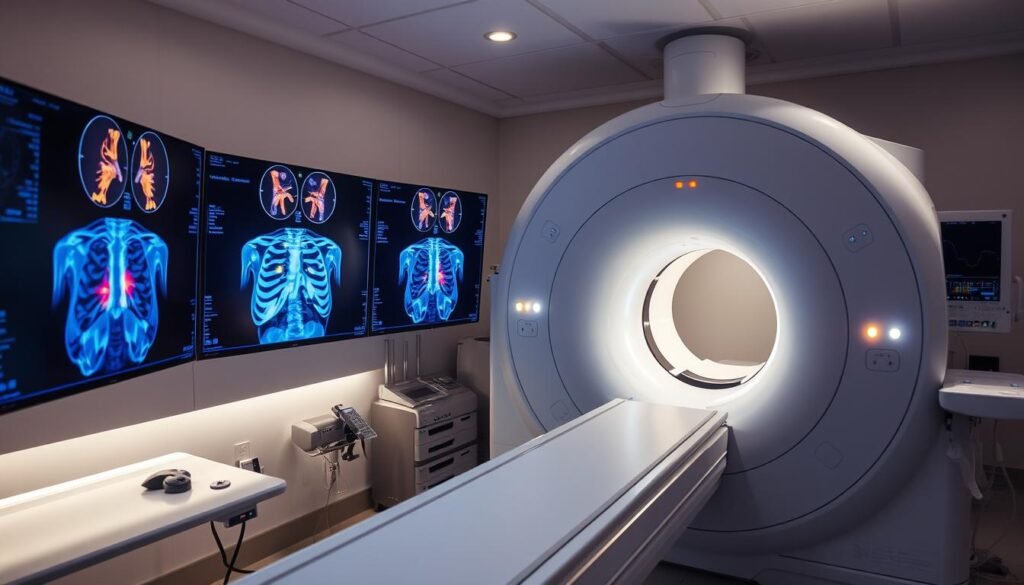
To spot bone metastases, doctors use various imaging studies. The main types are:
- X-rays: They spot changes in bone structure.
- CT scans: These scans show detailed images, unveiling tiny lesions.
- MRIs: Great for seeing soft tissue and checking bone marrow.
- PET scans: They provide info on lesions, improving detection.
Research shows 20 to 30 percent of NSCLC patients have bone metastases when diagnosed. Some scans are better than others at finding cancer in bones.
The Role of Blood Tests
Blood tests help spot signs of metastasis. The usual tests are:
- Complete blood counts: These check your overall health and look for anemia.
- Metabolic panels: They can find hypercalcemia, a bone metastasis issue.
These methods are crucial for diagnosing bone metastases. Especially, whole-body MRI and PET scans help see how far cancer has spread and plan treatments.
Treatment Options for Lung Cancer with Bone Metastases
Treating lung cancer that has spread to bones focuses on comfort and quality of life. It helps ease symptoms. Many treatments are available, from local to systemic, targeting the cancer needs.
Palliative Care and Pain Management
Many patients with bone metastases experience pain, about 80% actually. Palliative care is key in easing this pain. It uses medicines, anti-inflammatory drugs, and steroids to help patients function better every day.
Systemic and Local Treatment Options
Other than palliative care, there are broader treatments like chemo, targeted therapies, and immunotherapy. These methods help control cancer spread and can improve survival rates. Local treatments include radiation therapy, which eases pain, stops fractures, and handles other bone complications.
| Treatment Type | Description | Indications |
|---|---|---|
| Palliative Care | Focus on symptom relief and quality of life | Patients experiencing significant pain and other distressing symptoms |
| Systemic Therapy | Includes chemotherapy, targeted therapy, and immunotherapy | Applicable for advanced cancer and for managing widespread disease |
| Radiation Therapy | Aims to reduce pain and prevent fractures | Recommended for localized metastases affecting critical areas |
Managing the Effects of Bone Metastases
Effectively managing bone metastases means understanding the challenges involved. Patients often deal with significant discomfort and limitations. This makes pain management a key focus. Treatment should be tailored to each person, considering their symptoms and health.
Addressing Bone Pain and Fractures
Bone pain is a common symptom of bone metastases. It can get worse at night and might not ease with movement. Identifying and managing this pain early is essential. The approach can include:
- Medication administration, including analgesics and bisphosphonates
- Physical therapy to enhance mobility and reduce discomfort
- Psychosocial support to help manage emotional and psychological stress
It’s crucial to prevent fractures in patients with bone metastases. They have a greater risk of fractures in the spine and long bones. Prevention strategies can consist of:
- Utilizing supportive devices like braces to stabilize affected areas
- Engaging in low-impact exercises tailored to improve strength
- In some cases, surgical interventions to stabilize fractures or prevent their occurrence
Regular assessments ensure treatments manage pain and fracture risks well. Coordinated care among doctors is key to improving patients’ quality of life with bone metastases.
Support and Resources for Patients
Navigating lung cancer with bone metastases can feel overwhelming. Patients often look for strong support systems to help them.
Various lung cancer resources are available. This includes specialized doctors and patient advocacy groups. These resources can offer invaluable insights and support.
Mental health plays a crucial role in a patient’s well-being. Getting counseling and joining support groups helps share and learn from others. Educational materials like publications or workshops are key. They help patients understand their treatment options better.
There are many organizations that help cancer patients. They provide meals and forums to make patients feel included. Additionally, patients can find help through entities like CancerCare. They play a big part in improving patient support.
Ongoing advocacy raises awareness about lung cancer. It helps build strong community ties and keeps patients informed about new treatments. Patients should use these resources, keeping their health in mind.
Using these resources can empower patients facing lung cancer with bone metastases. It ensures they know they’re not alone in their fight.
Conclusion
Lung cancer spreading to bones is a tough part of cancer treatment. It calls for a strategy that aims to make life better. About 23.9% of lung cancer patients will see their cancer move to their bones. This makes it crucial for doctors and patients to know the signs and how to treat them. Bone metastasis happens more with a type of lung cancer called non-small cell lung cancer, especially adenocarcinoma. This shows why cancer treatment needs to be very specific.
Even though fully curing this may not always be possible, there are ways to manage it better. Medicines like bisphosphonates and denosumab can slow down bone problems. Also, radiation therapy can help ease the pain in the bones. Knowing the signs early, like changes in CA-125 and alkaline phosphatase levels, helps start treatment early. This can lead to a better outlook for patients.
Understanding lung cancer, how it spreads, and the issues with bone metastases is key for better treatment. It helps patients and their families deal better with the situation. This highlights the need for care plans made just for the patient and strong support systems in dealing with cancer.